




When people watch curling on television during major championships or the Olympic Games, they usually see experienced athletes competing at the highest level of the sport. What is often less visible is the long journey that brought these players there. Behind every successful curler stands years of learning, training, and development that began during their junior years.
Junior curling plays a crucial role in the future of the sport. It is where young athletes learn the technical and tactical aspects of the game, build their passion for competition, and discover what it means to be part of a team. But the importance of junior curling goes far beyond athletic development.
For many young people, curling becomes a school for life.
Through training sessions, competitions, and international tournaments, junior curlers gain experiences that shape their character and help them develop important life skills. These experiences stay with them long after their playing careers end.
In this way, junior curling does not only create better athletes—it also helps create stronger individuals and a stronger community.
Learning the Value of Teamwork
Curling is one of the most team-oriented sports in the world. A team consists of four players who must work together in every moment of the game. Each player has a specific role, but success depends on how well the team communicates and cooperates.
Young curlers quickly learn that individual talent alone is not enough. A perfectly executed shot is only valuable if the entire team contributes to the strategy and supports each other throughout the game.
Sweepers, for example, play a crucial role in controlling the distance and direction of a stone. Their effort can transform an average shot into a great one. Meanwhile, the skip guides the team’s strategy and must rely on teammates to execute the plan.
Through this constant interaction, junior athletes learn how to listen, communicate clearly, and support each other under pressure. These are skills that extend far beyond the curling rink.
In everyday life—whether at school, in future careers, or within communities—the ability to work effectively in a team is invaluable.
Understanding Victory and Defeat
Sport naturally involves both success and disappointment. Junior curling provides young athletes with a healthy environment to experience both.
Winning a game brings excitement and satisfaction. Teams celebrate together, recognising the effort that led to their success. These moments build confidence and reinforce the value of preparation and teamwork.
At the same time, losses are part of every athlete’s journey. Learning how to handle defeat gracefully is an important life lesson.
In curling, players are expected to respect their opponents regardless of the outcome. After a game, teams often shake hands and congratulate each other, acknowledging both the competition and the shared love of the sport.
For young athletes, these experiences teach resilience. They learn to analyse mistakes, improve their performance, and return to the ice with determination.
Understanding that both victory and defeat are part of growth is an important lesson that applies to many aspects of life.
Respect for Opponents
Curling has a long tradition known as the Spirit of Curling, which emphasises fairness, honesty, and respect. Junior curlers are introduced to these values from the very beginning of their careers.
Players are expected to follow the rules, call their own fouls if necessary, and treat opponents with respect. Complimenting an opponent on a well-played shot or resolving situations calmly are normal parts of the game.
This culture teaches young athletes that competition does not have to mean hostility. Instead, opponents can be respected partners in a shared challenge.
Learning to compete with integrity helps young people develop a strong sense of fairness and empathy. These qualities are essential not only in sport but also in society.
Independence Through Travel
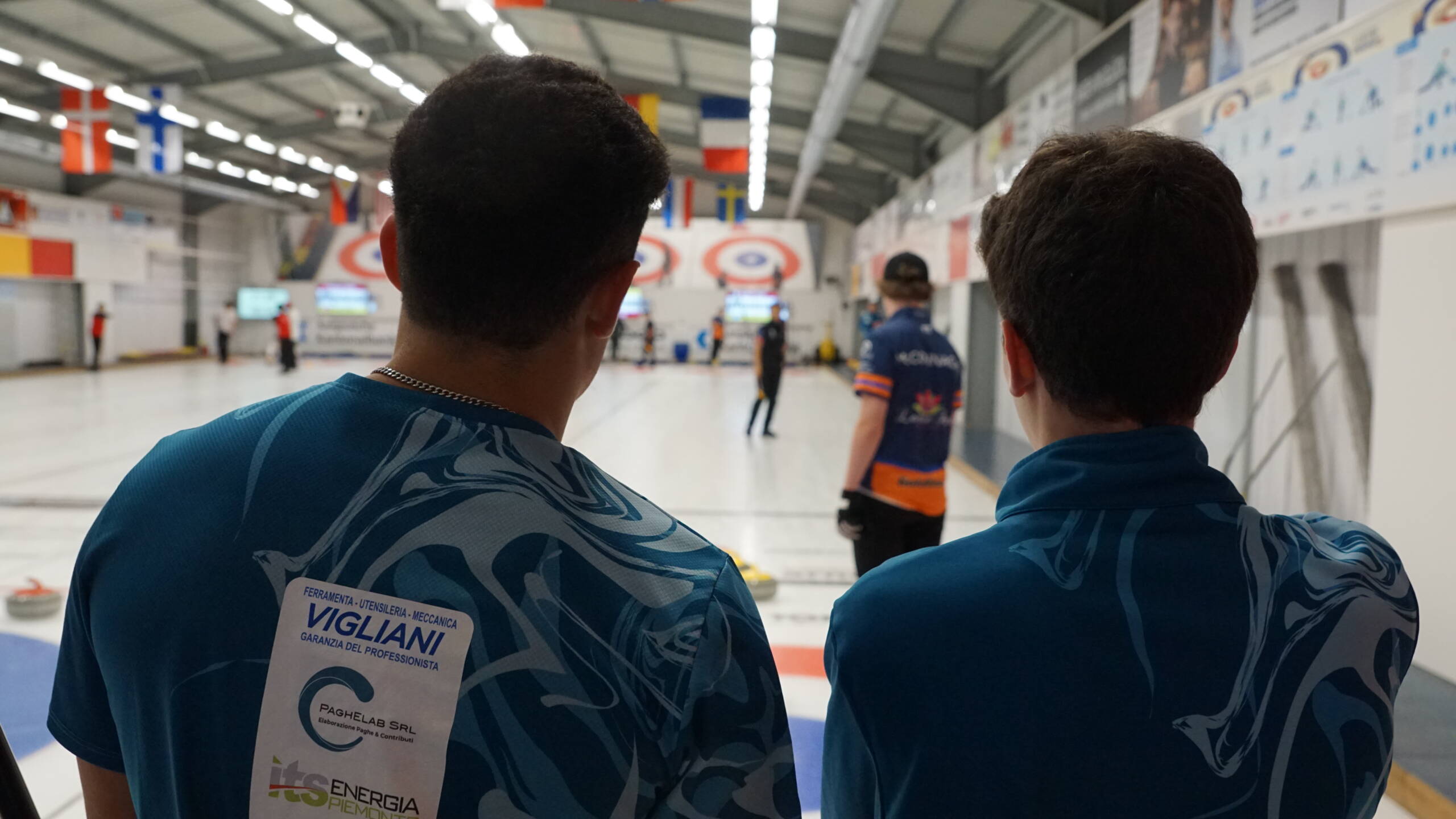
As junior teams progress and begin participating in regional, national, and international tournaments, they experience something that many young athletes cherish deeply: travelling with their team.
Trips to competitions often involve several days away from home. Players must organise their equipment, manage their schedules, and adapt to new environments.
These experiences encourage independence and responsibility. Young curlers learn how to represent their team, their club, and often their country.
They meet players from other regions and cultures, building friendships that extend beyond the competition itself.
For many junior athletes, these journeys become some of their most memorable experiences in sport.
Discipline and Commitment
Becoming a competitive curler requires dedication. Junior teams often train several hours each week throughout the season, working on technical skills, strategy, and physical preparation.
Balancing training sessions with school responsibilities requires strong organisational skills and discipline.
Young athletes learn how to manage their time effectively, prioritise commitments, and maintain focus on long-term goals.
These habits often translate into other areas of life, helping athletes develop the perseverance needed to succeed in their studies and future careers.
International Tournaments: A Special Experience
One of the highlights of junior curling development is the opportunity to participate in international tournaments.
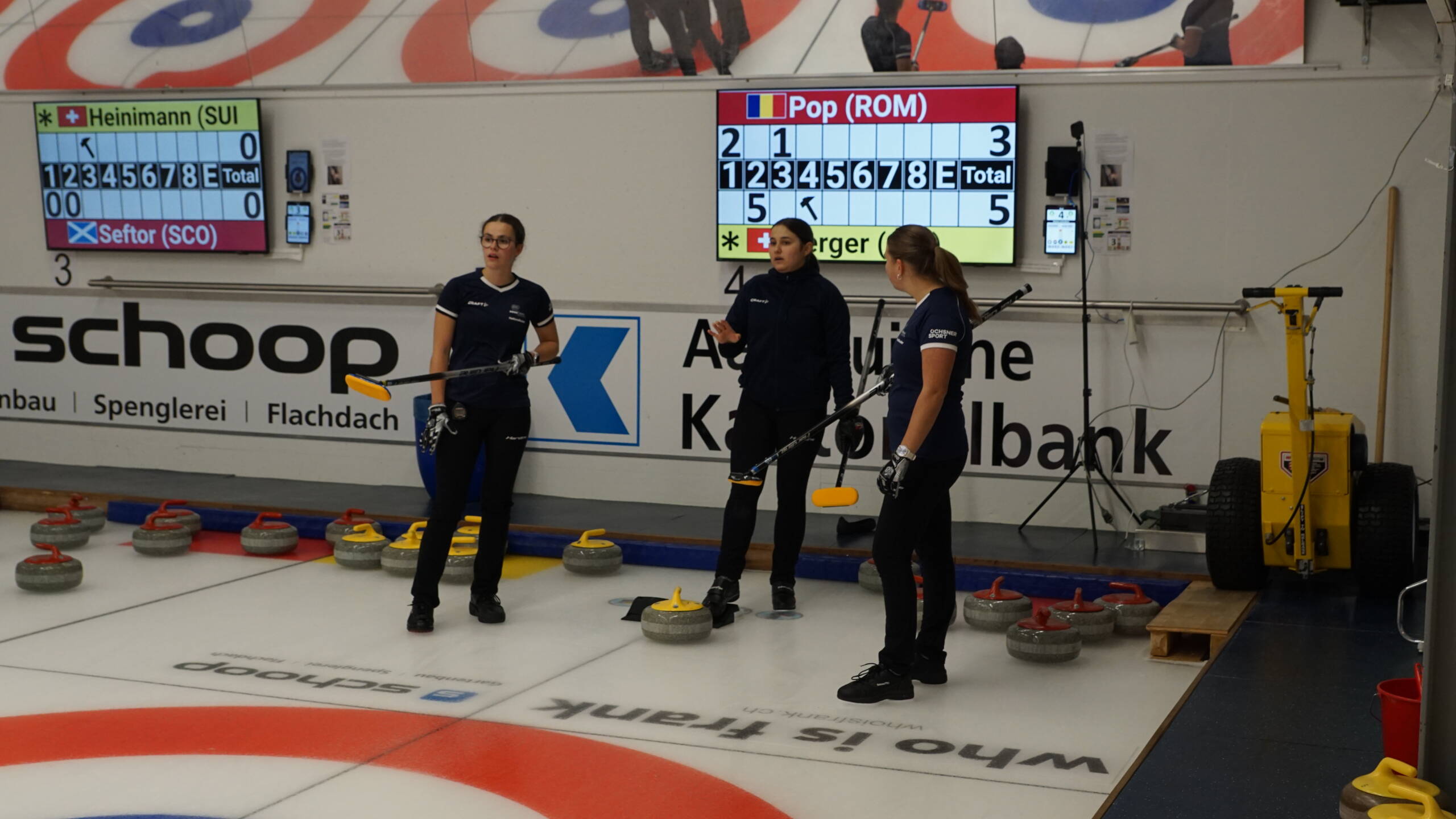
Events like the EJCT Baden bring together teams from different countries, creating an environment where young athletes can test their abilities against strong international competition.
For many players, these tournaments represent an exciting step forward in their curling journey. Competing against teams from other nations introduces new styles of play, different strategies, and a higher level of challenge.
The experience goes beyond the games themselves. Athletes meet peers from across the curling world, share stories, and build friendships that can last for many years.
The excitement of representing their team or country on an international stage adds a special motivation that inspires athletes to push their limits.
More Than Just Competition
While international tournaments bring excitement and high-level competition, their true value lies in the experiences they create.
Young athletes learn how to prepare for important matches, handle the pressure of competition, and support their teammates during challenging moments.
They also gain a deeper understanding of what it means to be part of a global sports community.
Events like the EJCT Baden highlight the spirit of cooperation and respect that defines curling. Teams may compete fiercely on the ice, but they also share a common passion for the game.
This combination of competition and camaraderie creates an atmosphere that many athletes remember long after the tournament ends.
Curling as a School for Life
When people describe curling as a “school for life,” they are referring to the wide range of experiences and lessons the sport offers.
Through curling, young athletes develop:
- Teamwork and communication
- Respect for opponents and officials
- Discipline and responsibility
- Resilience in the face of challenges
- Confidence and independence
- The ability to travel and interact with people from different cultures
These skills help young curlers grow into responsible and capable individuals.
The sport provides a safe and supportive environment where young people can learn, make mistakes, and improve.
The Wider Impact on Society
The benefits of junior curling extend beyond the athletes themselves.
When young people grow up learning the values of the Spirit of Curling—honesty, respect, fairness, and teamwork—these values naturally carry into their everyday lives.
Former junior curlers become students, professionals, volunteers, and community members who bring these lessons with them.
A society that includes more people who have experienced the culture of curling can benefit from these qualities.
Respectful communication, fair competition, and a willingness to cooperate are essential elements of a healthy community.
In this way, the development of young curlers contributes not only to the future of the sport but also to the well-being of society.
Looking Toward the Future
Junior curling programmes and international tournaments like the EJCT Baden play a vital role in supporting the next generation of athletes.
They provide opportunities for young players to challenge themselves, develop their skills, and experience the excitement of international competition.
At the same time, they reinforce the values that make curling unique.
By investing in junior development, the curling community ensures that the sport continues to grow while maintaining the traditions that define it.
More Than a Sport
Curling is not just about sliding stones across the ice. It is about building character, forming friendships, and learning lessons that last a lifetime.
For young athletes, the journey through junior curling offers experiences that shape who they become.
And for society as a whole, having more individuals who carry the Spirit of Curling into their daily lives makes the world a little better.
That is why junior development matters—not only for the future of curling, but for the future of the communities these young athletes will help build.